


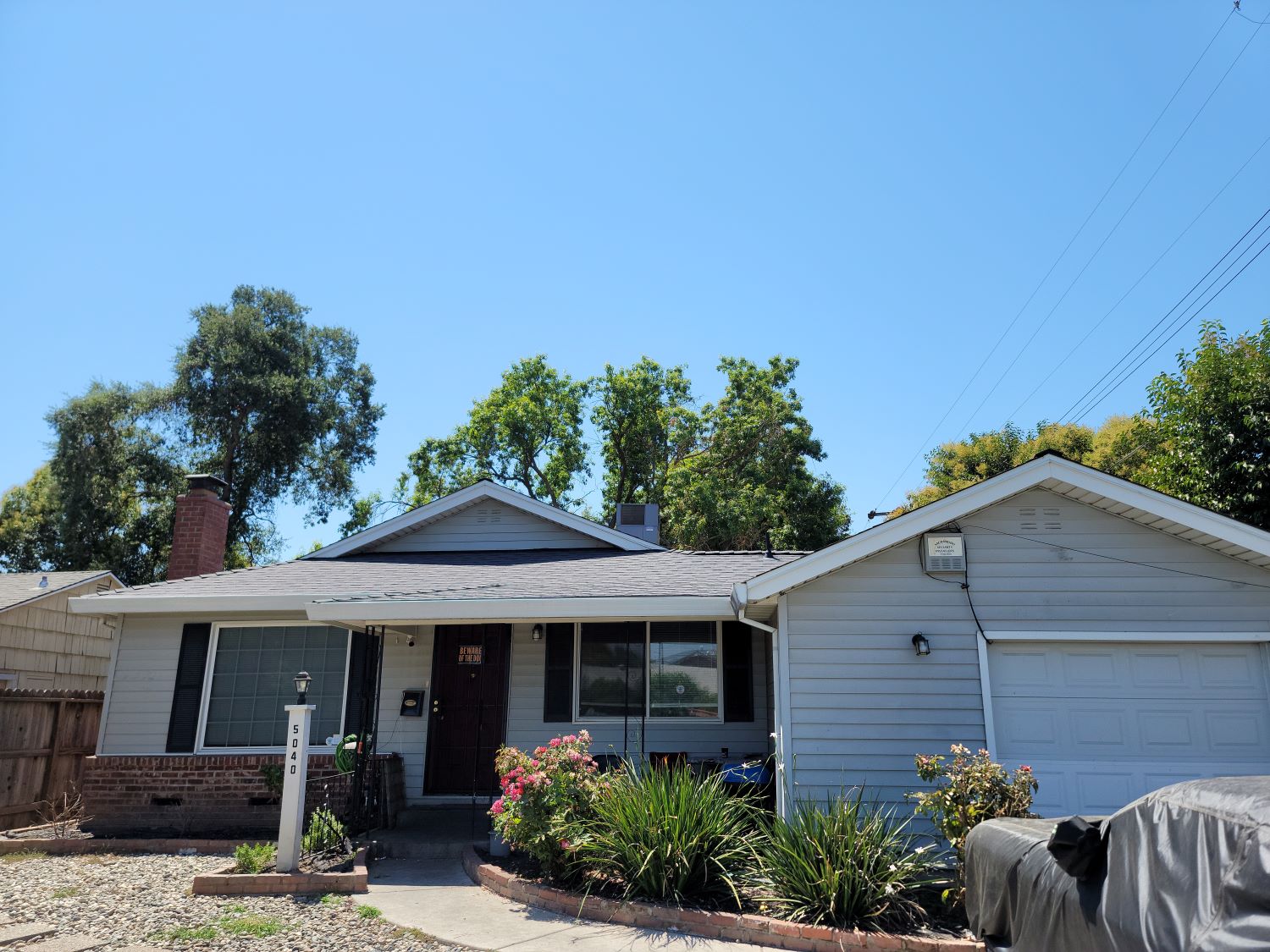
Choosing Roof Colors to Complement Your Home’s Exterior
Selecting the right roof color for your home goes beyond aesthetics—it can enhance curb appeal, boost home value, and even affect the overall mood of your living space. Whether you’re building a new home or replacing an aging roof, choosing the right roof color can make a world of difference. Here’s a guide to help you make the best decision when selecting roof colors that complement your home’s exterior.
1. Consider Your Home’s Architectural Style
Different architectural styles are often associated with specific roofing materials and colors. A traditional Colonial home, for instance, may look best with a classic black or dark gray roof, while a Mediterranean-style home with stucco walls often pairs beautifully with terra cotta or warm, earthy tones.
- Modern homes: Opt for sleek, neutral tones like charcoal or light gray.
- Victorian homes: Bold colors like deep red or green can highlight the character of the home.
- Cottage-style homes: Soft, natural hues such as brown, green, or blue can work well to maintain the cozy vibe.
2. Coordinate with Exterior Elements
Your roof color should complement other elements of your home’s exterior, including the siding, brickwork, stone, and trim. Ideally, you want a balanced color scheme that brings harmony to the entire exterior.
- Match warm with warm: If your home’s exterior has warm tones, like red brick or beige siding, go for warm-toned roof colors like brown, tan, or rusty red.
- Cool with cool: Homes with cool-toned siding such as gray, blue, or white pair well with cool-toned roofing like slate gray, black, or dark blue.
- Neutral flexibility: If your home has neutral tones, you have more flexibility. You can either match or contrast with your roof color to create visual interest.
3. Think About Your Climate
Roof color plays a role in the energy efficiency of your home. Darker colors absorb more heat, making them a good choice for colder climates where heat retention is beneficial. On the other hand, lighter colors reflect heat, which can help keep your home cooler in warmer regions.
- Hot climates: Opt for light-colored roofs in shades of white, light gray, or beige to reflect sunlight and reduce cooling costs.
- Cold climates: Dark colors like black, dark gray, or brown can absorb sunlight and help retain warmth during the winter months.
4. Look at the Surrounding Landscape
Consider the natural environment around your home. If you live in a wooded area, earthy tones like green, brown, or dark gray can blend your home into the surroundings. If you live by the beach or in a desert area, lighter tones like sandy beige or off-white may be more fitting.
5. Don’t Forget About HOA Guidelines
If you live in a neighborhood governed by a homeowners association (HOA), be sure to check their guidelines regarding roof color and materials. Some HOAs have strict rules to maintain a cohesive look across the community.
6. Create Contrast or Blend In?
Another key decision is whether you want your roof to stand out or blend in with the rest of your home’s exterior.
- For contrast: A contrasting roof color can highlight architectural details and add visual interest. For example, a white or light-colored home with a dark roof creates a dramatic, eye-catching effect.
- For blending: A roof color that closely matches the siding or exterior tones gives a more seamless, cohesive look.
7. Look at Color Samples in Different Lighting
Roof colors can look different depending on the time of day and the weather. What may appear perfect in a showroom might look entirely different when placed on your roof. Take home color samples and observe how they look at various times of the day before making your final choice.
8. Consider the Longevity of the Color
Remember that a roof is a long-term investment. While you may love the look of trendy or bold colors now, it’s important to choose a color that will remain timeless and attractive for years to come. Neutral and classic shades tend to age well and maintain higher resale value.
Conclusion
Choosing the right roof color is a balance of aesthetics, practicality, and personal preference. By considering your home’s style, exterior elements, climate, and surroundings, you can make a choice that not only enhances your home’s beauty but also boosts its value and energy efficiency. Take your time, explore your options, and consult with roofing professionals for advice that fits your specific needs.
Bob Jahn’s Roofing is here to help you find the perfect roof color to complement your home. Contact us today for expert advice and high-quality roofing solutions!
